Overview – Is Living in North Korea Possible?
Exploring the practicalities of residing in North Korea reveals a stark reality shaped by its unique political and social landscape. The Democratic People’s Republic of Korea (DPRK) has historically maintained a deeply closed society, making long-term foreign residency exceptionally rare and highly restricted.
For most, visits are limited to short-term, guided tours, which differ significantly from establishing legal residency. The government’s stance on foreign residents is stringent, typically allowing only those with diplomatic postings, humanitarian aid workers, or specific government-approved roles to live within its borders.
A recent statement from a CNN report, discussing topics such as ongoing development and housing in Pyongyang (as described in the master plan), would be presented here.
For those seeking deeper insight into the country, resources such as the brand’s About North Korea page provide comprehensive background. News coverage, like this CNN article, often sheds light on recent developments and aspects of daily life, though access to information remains limited.
Housing and Living Conditions
Where foreign residents sleep and the quality of their dwellings varies dramatically depending on their status and location, primarily between urban centers and rural areas. Pyongyang, the capital, presents a distinct living experience compared to the rest of the country.
Urban housing in Pyongyang
In Pyongyang, foreign residents are typically housed in modern high-rise apartment blocks, often within designated compounds. These residences may offer some amenities, though consistent electricity supply can be an issue, leading to intermittent power outages.
Access to reliable water is generally better in these urban settings compared to rural areas. These buildings, while appearing modern, operate under strict regulations regarding their foreign occupants.
| Feature | Average Apartment Size | Electricity Reliability | Access to Water |
|---|---|---|---|
| Pyongyang Foreigner Housing | Varies (e.g., 2-3 rooms) | Intermittent | Generally reliable |
| Average Rural Home | Small (1-2 rooms) | Highly unreliable | Often limited/manual |
Rural housing
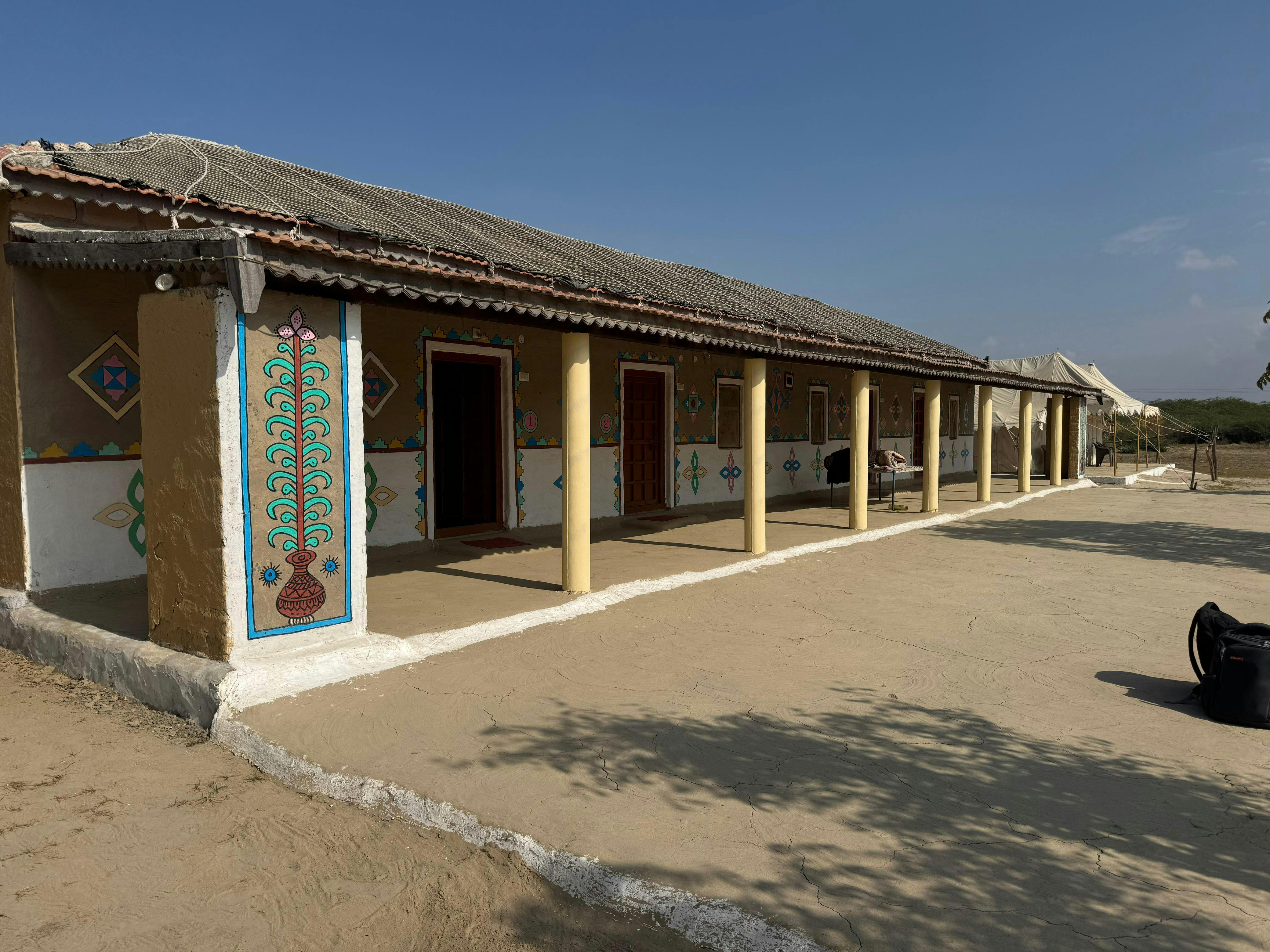
Outside Pyongyang, housing conditions are significantly more basic, with most North Koreans living in traditional mud-brick or concrete homes. These dwellings often lack modern utilities, presenting substantial challenges for daily life.
Foreigners rarely, if ever, reside in rural areas unless part of specific, highly supervised projects. Common challenges include rudimentary heating systems, limited or no access to clean running water, and inadequate sanitation facilities.
- Heating: Often relies on wood or coal, leading to indoor air pollution.
- Water: Typically sourced from communal wells or hand pumps, requiring manual transport.
- Sanitation: Primitive latrines are common, with limited modern plumbing.
Further details on housing challenges can be found in reports like those from Radio Free Asia housing article.
Food, Rations, and Daily Needs
Understanding how food is obtained and the reality of nutrition is crucial for anyone considering life in North Korea. The primary system for citizens is government rations, which have historically provided limited quantities.
According to the World Food Programme, rations for individuals are typically between 300-400g per person per day. Foreign residents, particularly those with diplomatic status, often have access to different supply chains or special stores, but the general population faces significant limitations.
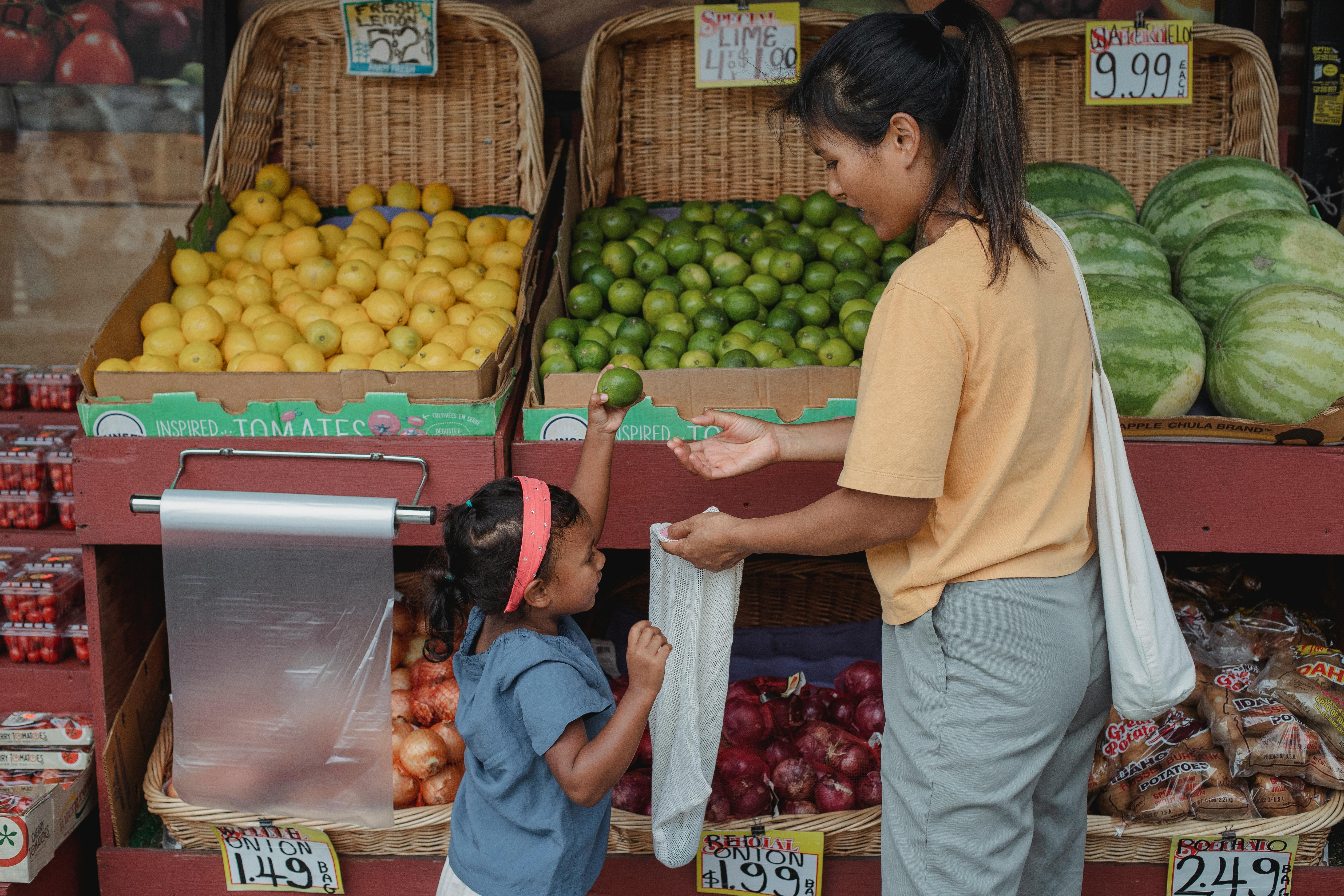
Beyond official rations, markets, known as jangmadang, exist and serve as crucial supplements for many, offering a wider variety of goods including some food items. However, access to these markets for foreigners can be restricted and monitored.
Access to clean water, while better in privileged urban areas, can be a concern nationwide. Healthcare basics are universally available but often lack advanced equipment, medication, and highly trained specialists, particularly outside the capital.
Insights into daily life, including food and other necessities, are often documented in reports such as the PSCORE report on daily life.
Work, Employment, and Legal Status
The avenues for foreigners to secure work and obtain legal permits in North Korea are extremely narrow. Unlike most countries, there is no open private sector employment for foreign nationals.
Work opportunities are almost exclusively limited to specific roles within diplomatic missions, international non-governmental organizations (NGOs), or United Nations (UN) agencies. These positions require direct invitation and extensive government approval.
Visa categories for foreigners are highly specialized, often tied directly to their sponsoring organization or government. Each visa application undergoes a rigorous approval process, emphasizing the restrictive nature of long-term stays.
| Visa Type | Purpose | Eligibility |
|---|---|---|
| Diplomatic Visa | Official government representation | Accredited diplomats/staff |
| Humanitarian Visa | Aid work, NGO operations | Approved NGO/UN personnel |
| Business Visa | Specific, state-approved projects | Foreign investors/technicians on invitation |
| Tourist Visa | Short-term, guided travel | Organized tour participants |
For detailed information on the various entry and residency requirements, consulting a Visa Guide page is recommended.
Travel, Movement, and Surveillance
Internal travel for foreigners within North Korea is severely restricted and subject to constant monitoring. Movement between cities and regions requires explicit permission from relevant authorities, and travel outside designated areas is prohibited.
Surveillance is a pervasive aspect of life, not only for citizens but also for foreign residents. Methods include extensive use of cameras in public spaces and the presence of informants, making privacy a significant concern.

Restrictions on photography are particularly strict, with specific sites and individuals forbidden from being photographed without permission. Violations can lead to serious consequences, as detailed in articles like RAW in Focus.
A personal account from a defector, detailing experiences with movement restrictions and surveillance, would be featured here.
These controls underscore the government’s tight grip on information and interaction. Further analysis on such restrictions can be found in sources like the Daily NK analysis.
Cultural Norms and Social Life
Navigating the cultural norms and social expectations in North Korea requires careful adherence to local customs and ideological pressures. Foreigners are expected to show respect for the country’s leaders and its socialist system.
Mandatory portrait displays of the leaders, Kim Il Sung and Kim Jong Il, are ubiquitous in public buildings and private homes, symbolizing their revered status. Community meetings, known as samul nori (though this term usually refers to a musical genre, in context here, it refers to collective activities or meetings), and other collective activities are central to daily life for citizens, fostering a sense of collective identity and ideological unity.
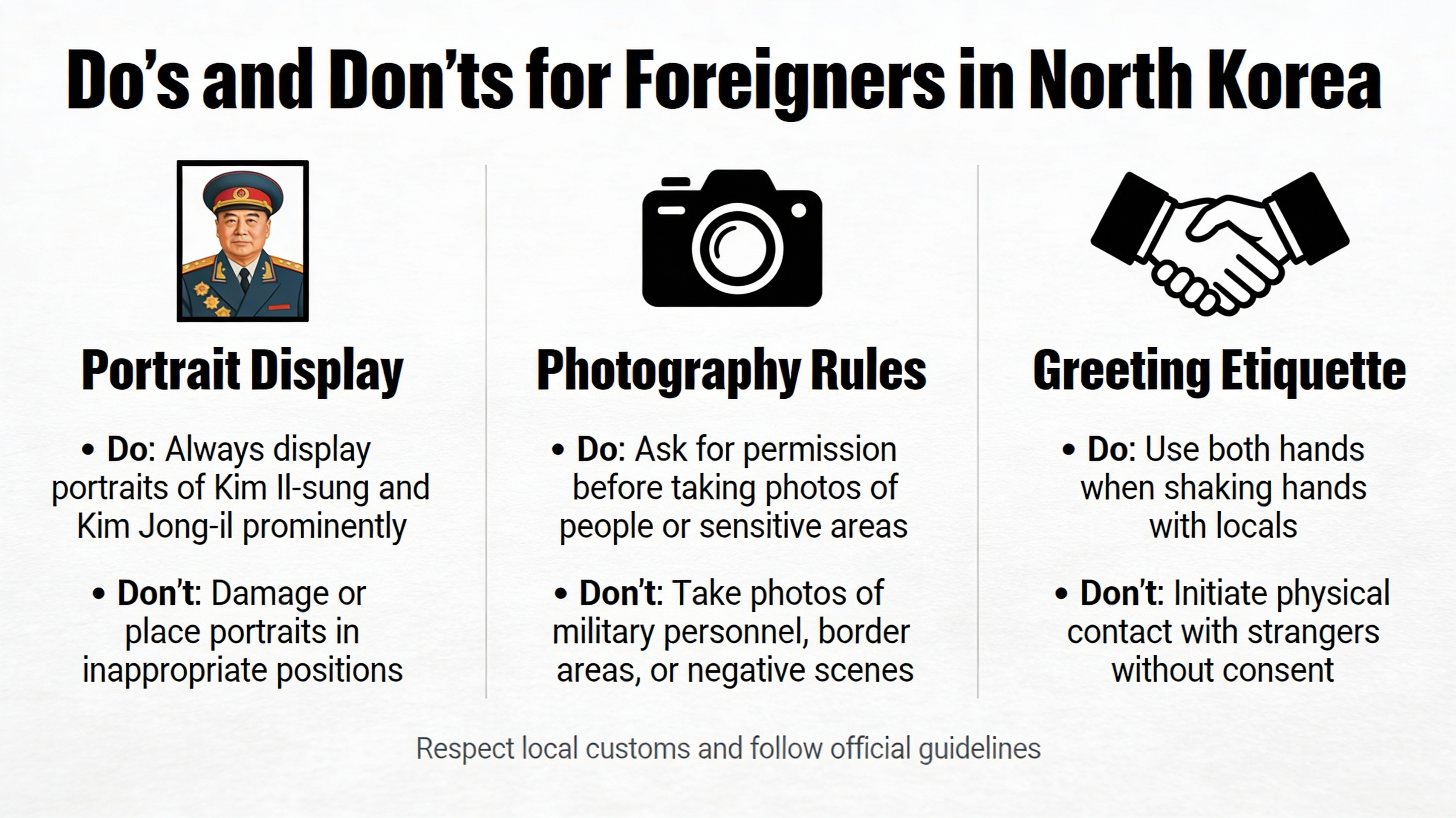
Internet access is extremely limited for both citizens and most foreign residents, typically restricted to a state-controlled intranet. State media consumption is the primary source of information, shaping public perception and understanding.
For a comprehensive guide on proper conduct, reviewing a Cultural Etiquette page is highly advisable.
Risks and Legal Consequences
Understanding the potential dangers of overstaying a visa or violating rules is paramount for anyone in North Korea. The legal system is opaque, and foreigners found in contravention of laws can face severe repercussions.
Possible consequences range from detention and interrogation to deportation, or in more serious cases, long prison sentences. There have been several high-profile cases of tourists and foreign residents being expelled or detained for alleged infractions, underscoring the strict legal environment.
It is crucial to have emergency contacts readily available and to register with your country’s embassy or consulate if such services are available. News sources often cover incidents involving foreigners, such as BBC coverage, offering insights into the legal risks.
Key Takeaways
Summarizing the most critical points provides quick reference for those considering North Korea.
- Legal residency is highly restricted, primarily for diplomats and aid workers.
- Housing and amenities vary, with Pyongyang offering more modern but still limited facilities.
- Food is rationed for citizens, with foreign residents often having different supply channels.
- Employment for foreigners is almost non-existent outside specific diplomatic or NGO roles.
- Strict controls on travel, movement, and pervasive surveillance are daily realities.
- Adherence to cultural norms and respect for leadership are strictly enforced.
- Violating laws carries severe risks, including detention and deportation.
This overview provides a foundational understanding, but further research is always encouraged.
Frequently Asked Questions
Here are answers to common queries regarding life in North Korea, presented concisely.
Can a tourist stay longer than 30 days?
Generally, tourist visas are strictly limited to the duration of the organized tour, typically not exceeding 30 days. Extending a tourist stay is highly uncommon and would require exceptional, government-approved circumstances.
Are there any legal ways to own property?
Foreigners are generally not permitted to own property in North Korea. Any arrangements for housing are typically rental agreements facilitated by sponsoring organizations or the government itself.
How does the food ration system work for foreigners?
Foreigners, especially diplomatic staff or NGO workers, usually do not rely on the public food ration system designed for citizens. They often have access to dedicated foreign currency stores or import their own supplies, though options are still limited.
What happens if you are caught photographing restricted sites?
Unauthorized photography of restricted sites, military personnel, or ordinary people without permission can lead to immediate detention, interrogation, confiscation of equipment, and potential deportation or more severe penalties. It is a serious offense.
Is there any path to permanent residency?
There is currently no established or recognized path for foreigners to obtain permanent residency in North Korea in the conventional sense. Long-term stays are contingent upon ongoing employment with an approved organization or diplomatic mission.
For more answers, consult a comprehensive FAQ hub page.
Next steps for living in North Korea
If you are seriously considering the extraordinary prospect of moving to North Korea, thorough preparation and adherence to official channels are absolutely critical. This is not a decision to be taken lightly, given the unique challenges and constraints.
Begin by meticulously researching official visa channels, typically through DPRK embassies or diplomatic missions in select countries. Direct engagement with their consular sections will provide the most accurate and up-to-date requirements for any form of long-term stay.
Additionally, connecting with international NGOs or UN agencies that have operations in the DPRK can provide invaluable insights and potential pathways, as these are the primary entities that facilitate foreign long-term presence. Ensure all your documentation is culturally sensitive and meticulously prepared according to strict guidelines.
Crucially, develop a robust emergency plan and identify key contacts both within North Korea and externally, as communication infrastructure can be unreliable. For further assistance in planning, download our free North Korea Relocation Checklist from our resource library. You may also consult an official DPRK embassy page for initial inquiries.