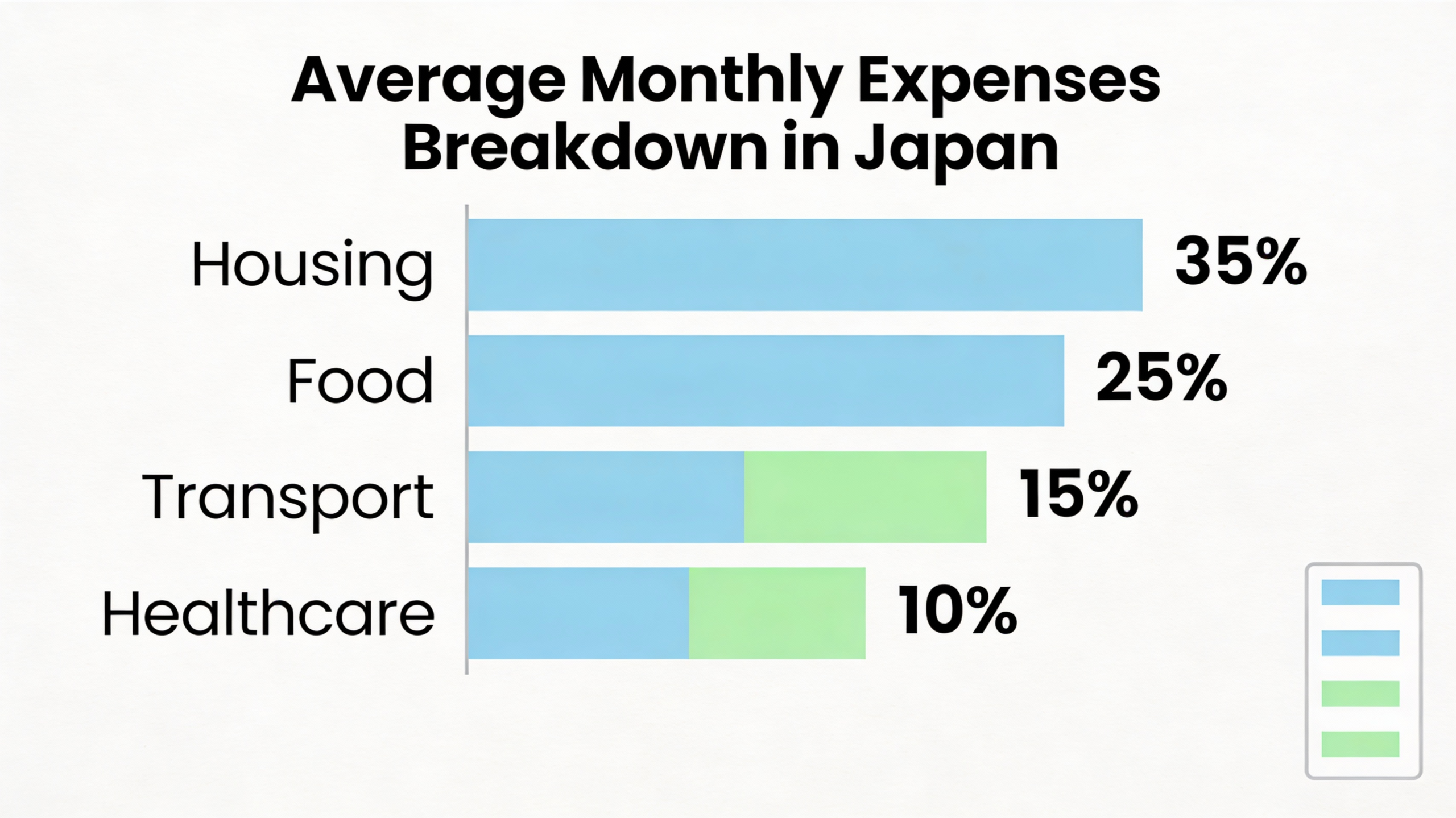
Overview of Living Costs in Japan
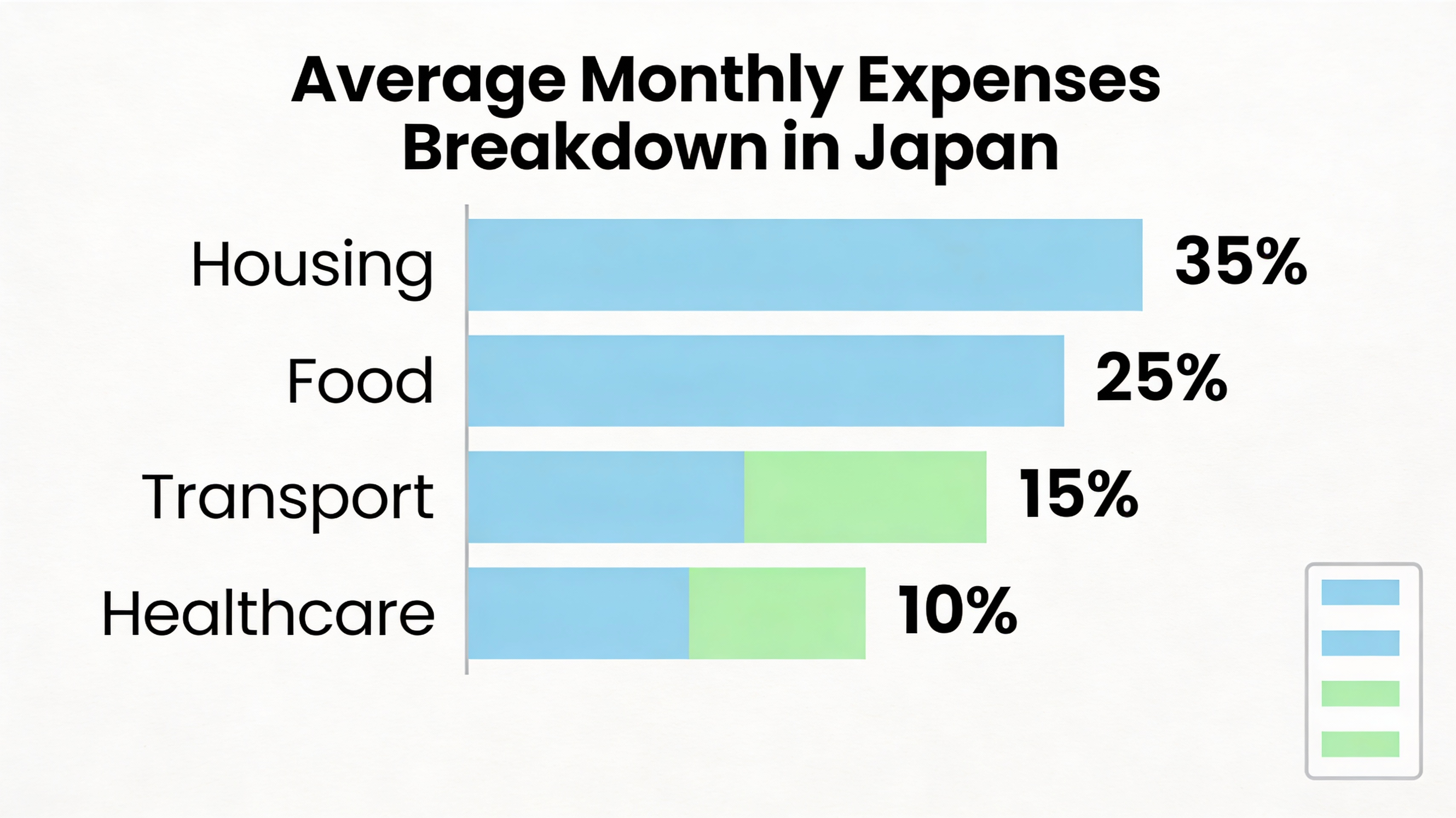
Understanding the average monthly budget is essential for anyone planning a move to the Land of the Rising Sun. Japan offers a high standard of living, but costs can vary significantly based on your lifestyle choices and regional location. Most expats should prepare for expenses related to housing, food, transportation, and healthcare as their primary monthly buckets.
The cost of living fluctuates greatly depending on whether you choose a metropolitan hub like Tokyo or a more rural setting. Major cities offer convenience and job opportunities but come with higher rent and service costs. Conversely, rural areas provide a more affordable lifestyle but may require additional expenses like car ownership.
| City | Estimated Monthly Cost (Single Person) | Estimated Monthly Cost (Family of Four) |
|---|---|---|
| Tokyo | Around ¥150,000 – ¥250,000 | Around ¥400,000 – ¥600,000 |
| Osaka | Around ¥120,000 – ¥180,000 | Around ¥350,000 – ¥500,000 |
| Kyoto | Around ¥110,000 – ¥170,000 | Around ¥330,000 – ¥480,000 |
| Rural Areas | Around ¥80,000 – ¥130,000 | Around ¥250,000 – ¥400,000 |
For more detailed planning, you may find the Japan Relocation Checklist useful or refer to the Japan-Guide.com cost-of-living page for further insights.
Major Expense Categories
- Housing: Includes rent, management fees, and initial move-in costs.
- Utilities: Covers electricity, gas, water, and home internet services.
- Food: Encompasses groceries and dining out at restaurants.
- Transportation: Includes daily commuting passes and occasional travel.
- Healthcare: Focuses on national health insurance premiums and co-pays.
Regional Cost Variations
High-cost versus low-cost regions are primarily defined by the proximity to major economic centers. Kanto and Kansai regions generally represent the higher end of the spectrum, while prefectures in Kyushu or Tohoku offer more budget-friendly living conditions.
Housing Expenses
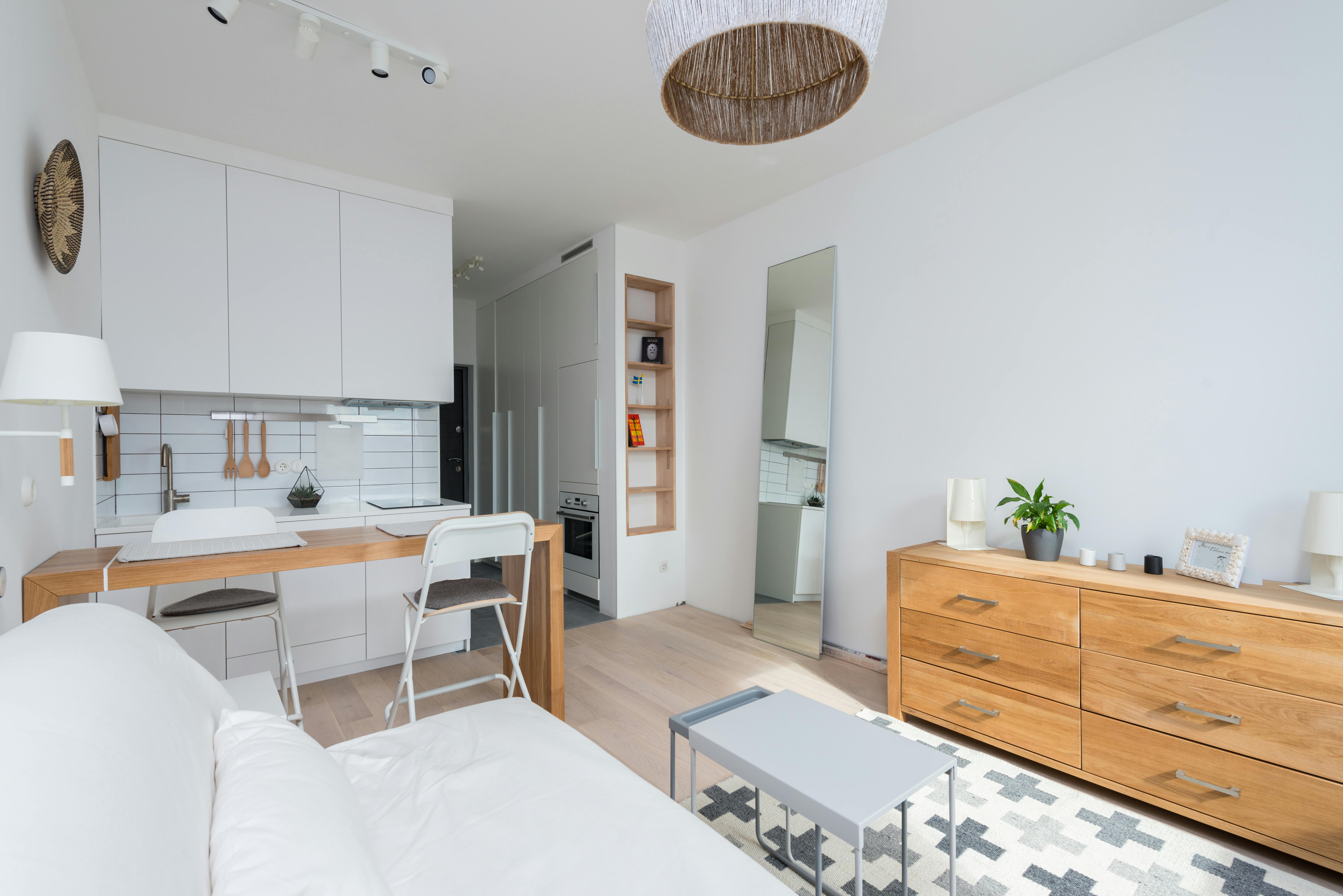
Monthly rent and utilities typically constitute the largest portion of an expat’s budget. While city centers in Tokyo are known for premium prices, more affordable options exist in suburban areas and smaller cities. It is important to account for “reikin” (key money) and security deposits when first securing a lease.
Utility costs remain relatively stable but can spike during extreme summer or winter months due to air conditioning and heating needs. Standard services such as electricity, water, and gas are efficient and easily managed through monthly billing systems. For more information, check the Ministry of Land, Infrastructure, Transport and Tourism stats or the guide on Finding an Apartment in Japan.
| City | Average Rent (1-Bedroom) | Typical Utility Cost |
|---|---|---|
| Tokyo | ¥80,000 – ¥150,000 | ¥15,000 – ¥20,000 |
| Osaka | ¥50,000 – ¥90,000 | ¥12,000 – ¥18,000 |
| Kyoto | ¥45,000 – ¥85,000 | ¥12,000 – ¥18,000 |
Rent vs. Purchase
Renting provides flexibility for those new to Japan, whereas purchasing property can be a long-term investment. Most foreigners choose to rent initially to understand different neighborhoods before committing to a mortgage, which typically requires a significant down payment and permanent residency status for the best rates.
Typical Prices by City
Safe rent ranges for a standard one-bedroom apartment often begin at approximately ¥80,000 in central Tokyo. In contrast, similar accommodations in Osaka or Kyoto may range from approximately ¥50,000 to ¥80,000, depending on the age of the building and proximity to the nearest station.
Food and Groceries
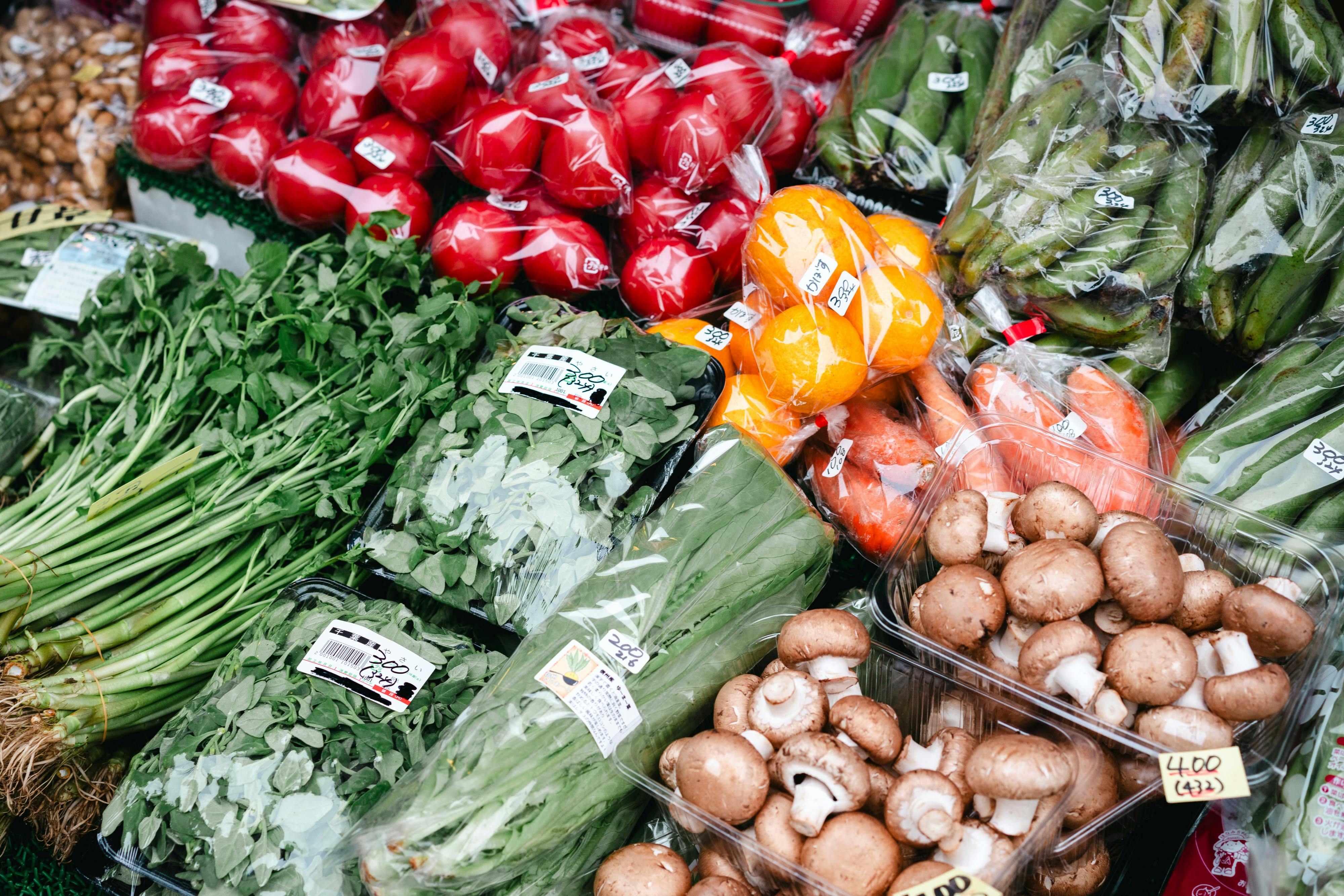
Budgeting for food and groceries allows for a mix of high-quality local produce and affordable dining out experiences. Japan is famous for its convenience stores and local eateries that provide nutritious meals at reasonable prices. Shopping at local supermarkets and discount stores can significantly lower your monthly expenditures compared to relying on imported goods.
Average meal prices at restaurants range from budget-friendly “teishoku” sets to high-end dining experiences. A typical lunch at a local cafe might cost around ¥800 to ¥1,200, while a mid-range dinner could range from ¥2,000 to ¥4,000. For data on current prices, consult a reputable consumer price index source or the Japanese Grocery Shopping Guide.
Eating Out vs. Home Cooking
Cooking at home is generally the most cost-effective way to live in Japan, especially when buying seasonal vegetables and local meats. While eating out at “gyudon” shops or ramen stalls is affordable, consistent restaurant dining can quickly inflate a monthly budget. Preparing bento lunches is a common strategy used by residents to save money during the work week.
Average Monthly Grocery Budget
Typical grocery costs for a single person usually range from approximately ¥30,000 to ¥50,000 per month. Families should expect this figure to increase based on the number of members and dietary preferences. Seasonal variations in fruit and vegetable prices are common, so buying what is currently in season helps maintain a steady budget.
Transportation
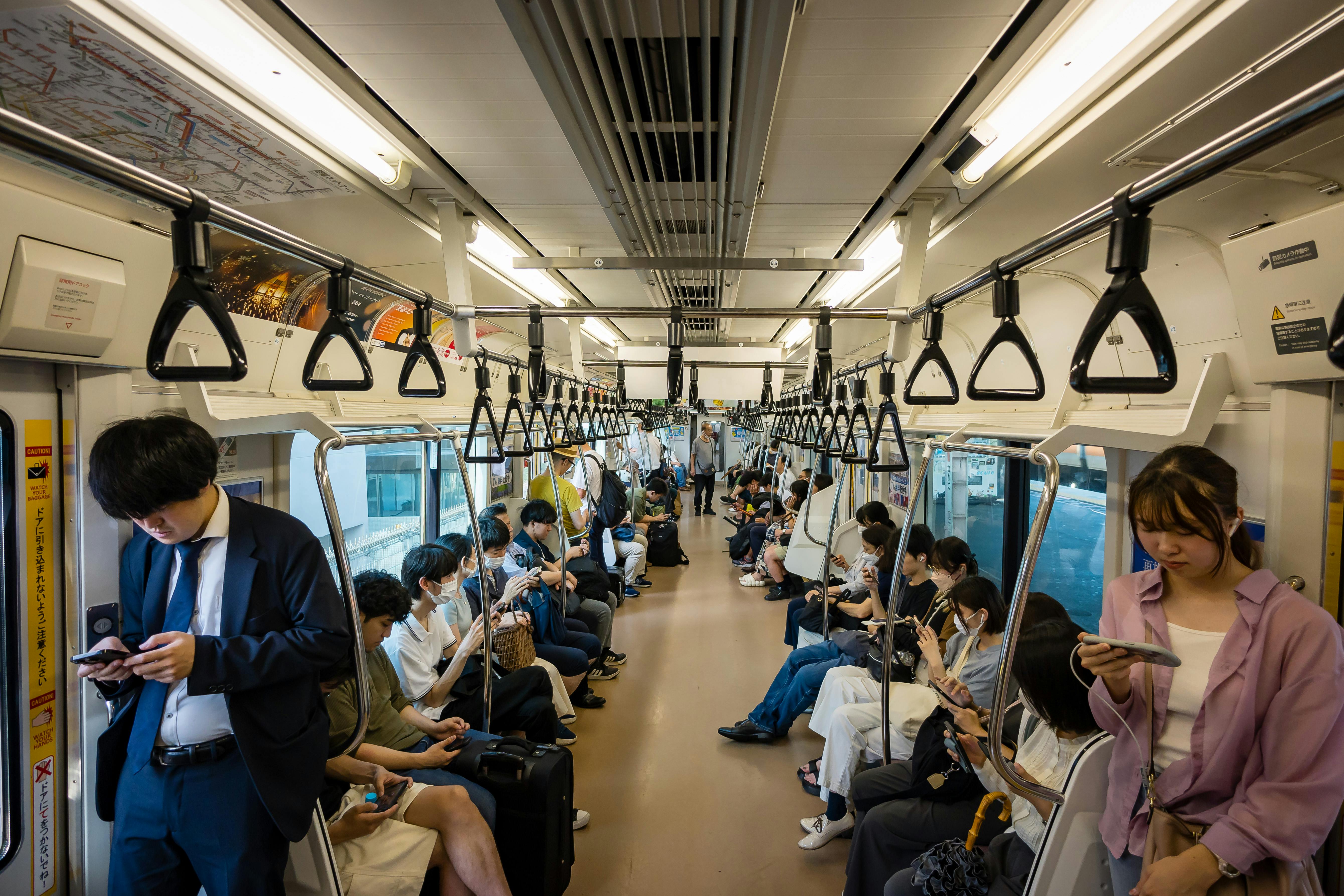
Reliable public transportation networks make it possible to live comfortably in Japan without owning a personal vehicle. Most residents rely on the extensive train and bus systems, which are known for their punctuality and efficiency. Commuter passes are often subsidized by employers, which can greatly reduce the financial burden of daily travel.
Intercity travel, such as using the Shinkansen, is a premium expense that should be budgeted for occasionally. For those planning extensive travel, the Japan Rail Pass official site provides options for visitors, while residents can look for local discount tickets. You can learn more through the guide on Navigating Japan’s Public Transit.
- Train/Subway: High efficiency, predictable costs, but can be crowded during peak hours.
- Buses: Excellent for reaching areas not served by trains, generally affordable flat fares.
- Bicycles: Very common for short commutes, low maintenance, and easy to park.
- Car Ownership: High fixed costs like parking and insurance, but provides maximum freedom in rural areas.
Public Transit Passes
Monthly commuter passes are calculated based on the specific route between your home station and work or school station. In Tokyo, a typical monthly pass might cost between ¥10,000 and ¥20,000 depending on the distance covered. These passes often allow for unlimited travel between the designated stations, providing extra value for weekend trips along that route.
Owning a Car
Vehicle maintenance and fees include mandatory bi-annual inspections (shaken), insurance, and parking fees, which can be quite expensive in urban centers. In cities like Tokyo, monthly parking alone can cost as much as a small apartment in a rural prefecture. Gasoline prices are generally stable but higher than in the United States.
Healthcare and Insurance

Enrolling in the National Health Insurance system is a mandatory requirement for long-term residents in Japan. This system ensures that medical costs remain manageable by covering a significant percentage of doctor visits and prescriptions. Premiums are typically based on your previous year’s income in Japan, making it very affordable for newcomers.
For more specific details on enrollment, you can visit the Ministry of Health, Labour and Welfare website or read the Health Insurance for Expats guide. Most residents find the quality of care to be excellent with relatively short wait times for standard consultations.
The Japanese healthcare system is designed to provide universal coverage, ensuring that all residents have access to necessary medical services at a standardized cost regulated by the government.
Ministry of Health FAQ
National Health Insurance Basics
Premiums for insurance are calculated by your local municipal office and are usually billed monthly. For students or those with no income in the previous year, the cost is often reduced to a minimum base rate. It is important to register at your local ward office shortly after moving to ensure continuous coverage.
Out-of-Pocket Costs
Typical co-payment rates in Japan are 30% of the total medical bill for most residents. A standard visit to a general practitioner might cost approximately ¥1,000 to ¥3,000 out-of-pocket, including basic medications. Specialized treatments or hospital stays are also subsidized, preventing catastrophic financial loss from illness.
Key Takeaways
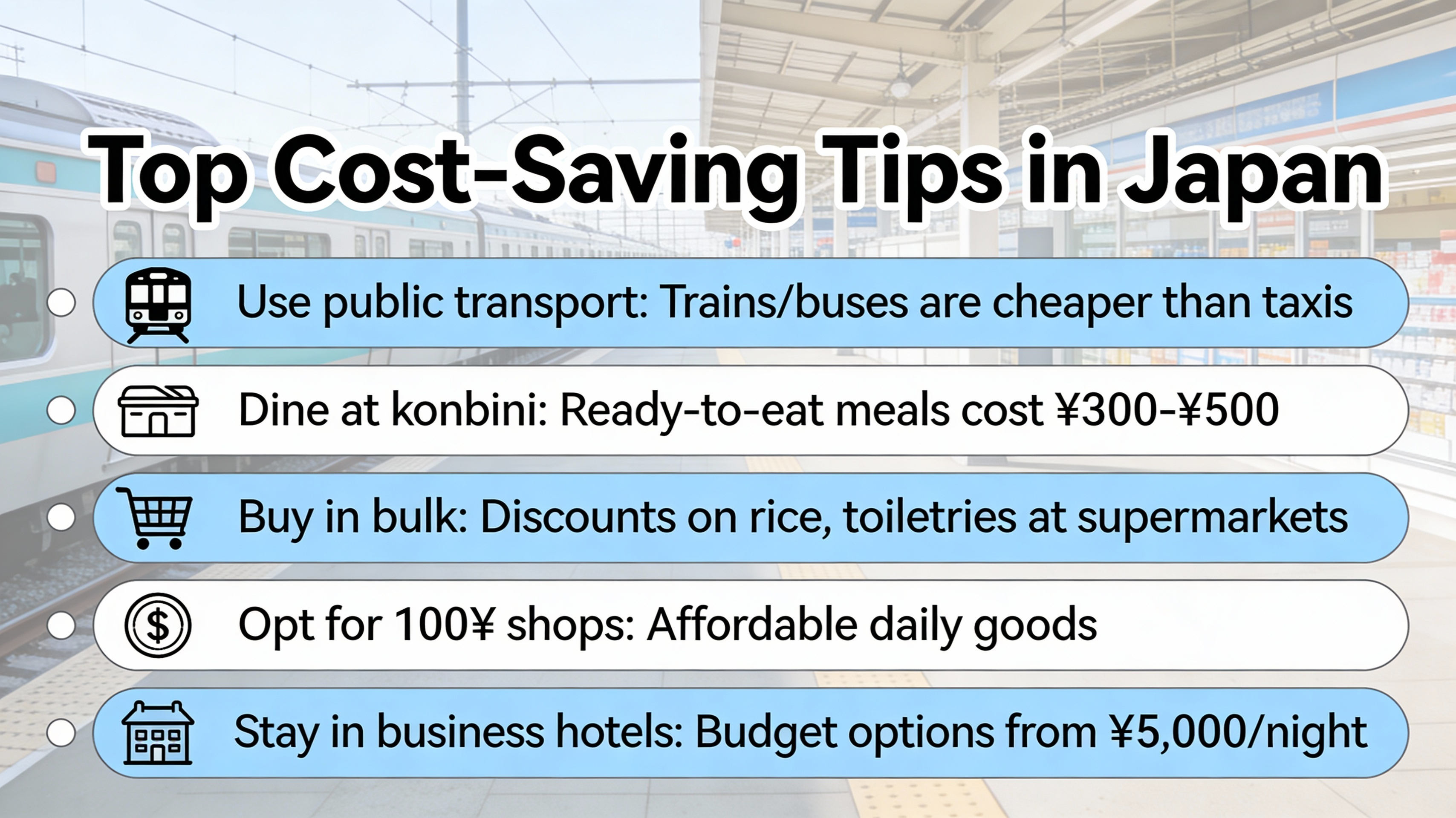
Summarizing your financial plan involves looking at the most impactful ways to save while maintaining a high quality of life. By focusing on regional choices and smart grocery habits, you can significantly reduce your monthly overhead. Use the Budget Planner Spreadsheet to track your specific numbers and stay on target.
- Choose housing outside of major city centers to save up to 40% on rent.
- Utilize “teishoku” lunch specials and supermarket discounts after 7:00 PM.
- Register for a commuter train pass to cover your most frequent travel routes.
- Stay within the National Health Insurance system to cap medical expenses.
- Budget for seasonal utility spikes in the height of summer and winter.
Frequently Asked Questions
How much does a typical monthly rent cost in Tokyo?
Rent for a one-bedroom apartment in Tokyo typically ranges from approximately ¥80,000 to ¥150,000 depending on the neighborhood and building age.
Is it cheaper to cook at home than eat out?
Yes, cooking at home is generally more cost-effective, especially when utilizing local supermarkets. However, budget restaurant options like ramen or beef bowl shops are also very affordable.
Do I need private health insurance as a foreigner?
Most foreigners are required to join the National Health Insurance system. Private insurance is usually optional and used only for supplementary coverage or specific international needs.
What transportation pass offers the best value?
The monthly commuter pass (teikiken) offers the best value for daily travel between two specific points, such as home and work.
How do regional costs differ for families?
Families can save significantly on housing and food by living in prefectures outside of Tokyo, though they may need to budget more for transportation if a car is required.
Next steps for planning your budget
Taking action on your finances is the best way to ensure a smooth transition to life in Japan. Start by downloading the Budget Template Download to see how your expected income matches these typical expenses. You can also use the Numbeo cost-of-living calculator for real-time data comparisons between your current city and your destination in Japan. Finally, consider joining expat forums for real-world insights from people currently living in your target neighborhood.